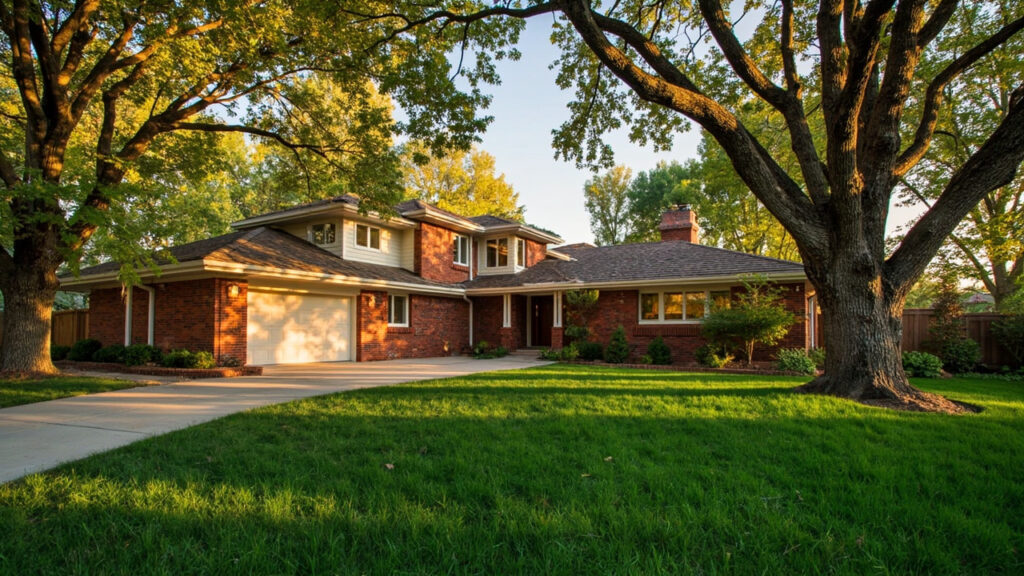
Belcaro is one of those South Denver neighborhoods that buyers seek out for specific reasons — the large lots, the mature trees, the architecture from the mid-century era, the privacy that is genuinely hard to find this close to the urban core. When you are selling a home here, those same qualities become the foundation of your listing strategy. But Belcaro also has its own buyer profile, its own pricing dynamics, and its own set of expectations that a seller needs to understand before signing a listing agreement.
How do you sell a luxury home in Belcaro?
Selling a Belcaro home requires disciplined pricing grounded in actual neighborhood comps, thorough preparation that honors the mid-century architecture, and marketing that reaches a small but sophisticated buyer pool. Unlike faster-moving Denver neighborhoods, Belcaro rewards patience and presentation — homes priced correctly and prepared properly typically sell within 30–90 days in peak season.
I have worked with sellers across South Denver’s most established neighborhoods for two decades in Denver luxury real estate, and Belcaro demands a different approach than Cherry Creek, Greenwood Village, or even Bonnie Brae next door. Here is what you need to know before you list.
The Belcaro Buyer — Who You Are Selling To
Understanding your buyer is the starting point for everything else: pricing, staging, timing, marketing. In Belcaro, the buyer pool is distinct.
Most Belcaro buyers are not purchasing luxury real estate for the first time. They know what they want because they have owned larger homes before, often in the suburbs, and they are making a deliberate move back toward the city without giving up space or privacy. Many are empty nesters who have left large houses in Cherry Hills Village or Greenwood Village and want proximity to Cherry Creek, walkability to the trail system, and a neighborhood with genuine character — but they are not ready to step into a condo or a townhome.
A meaningful share of Belcaro buyers are also relocation purchasers coming from other established cities — New York, Chicago, the Bay Area — who are specifically drawn to Belcaro because it resembles the kind of mature, leafy residential neighborhood they are used to and cannot find in Denver’s newer construction corridors. These buyers tend to be sophisticated and deliberate. They research. They compare. They know the difference between a home that photographs well and a home that actually delivers what the neighborhood promises.
Knowing that your buyer is likely experienced and analytically inclined changes how you prepare your home and how you price it. Overpricing does not work with this group. Cutting corners on presentation does not work either.
Pricing in Belcaro: Where Sellers Get It Wrong
Belcaro has thin inventory at any given time. That is both a strength and a complication when it comes to pricing, because limited comparable sales make it easy to arrive at a number that feels right but is not grounded in what buyers will actually pay.
The most common mistake I see Belcaro sellers make is pricing to their lot. The logic goes: my lot is a third of an acre, which is unusual for a Denver city neighborhood, so it must be worth a significant premium over smaller properties. That is true — but only to a point. Lot premium in Belcaro has a ceiling, and it is determined by what a buyer can actually use and what the neighborhood’s overall price ceiling supports. A lot that cannot be further improved or subdivided adds value, but not infinitely. Sellers who anchor their price primarily to lot size rather than to a disciplined comp analysis often sit on the market longer than necessary and eventually take a lower number than they would have gotten with a better opening price.
The other pricing trap is renovation timing. Belcaro has a substantial stock of unrenovated or partially updated homes from the mid-century era, and sellers who have recently done significant work — kitchen, primary suite, mechanical systems — sometimes price as if the renovation adds its full cost back in value on top of comparable unrenovated sales. It rarely does. A fully updated Belcaro home commands a premium, but the buyer will discount for their own taste, for items they would have done differently, and for the risk of unknown work beneath the surface. A realistic price accounts for that.
The right pricing framework for Belcaro looks at the last twelve to eighteen months of comparable sales, adjusts for lot size and finished square footage, and layers in a realistic assessment of condition and renovation quality. That analysis should be done in conversation with an agent who has actually sold in the neighborhood — not someone extrapolating from Cherry Creek or Washington Park comps that do not translate.
What Belcaro Buyers Scrutinize in a Listing
Because Belcaro’s housing stock is older — most homes were built between the 1930s and 1960s — the inspection and condition conversation is more involved than in a newer construction neighborhood. Buyers know this, and the serious ones come prepared.
There are specific systems and features that buyers in this neighborhood focus on consistently.
Foundation. Belcaro sits on Denver’s expansive clay soils, and foundation movement is common across the neighborhood. Most buyers expect some history of movement, but they want to understand what has been done to address it, whether the work is documented and warranted, and whether there are active areas of concern. A seller who has foundation documentation in order — repair permits, engineering reports, transferable warranties — is in a much stronger position than one who says “it was fixed a while back” with no paperwork to support it.
Mechanical systems. Homes from this era frequently have older HVAC, electrical panels that have been expanded over time rather than replaced, and plumbing that mixes original and updated materials. Buyers doing their diligence will find all of it. Sellers who have proactively replaced these systems are ahead. Sellers who have not should be realistic about how buyers will price the deferred capital.
The lot and landscaping. Belcaro’s appeal is substantially tied to its mature landscaping and large lots, and buyers pay attention to whether those features are maintained. Dead trees, overgrown plantings that crowd the house, drainage that sends water toward the foundation — these are all visible to a buyer walking the property, and they affect the price conversation before the inspection even begins.
Custom finishes in renovated homes. Buyers who are paying $2 million or more for a Belcaro home that has been extensively renovated have expectations about the quality of the work. They will notice whether the kitchen tile meets the floor cleanly, whether the primary bathroom fixtures are from a genuine luxury manufacturer, and whether the renovation feels like a cohesive vision or like a series of contractor decisions made over five years. Presentation quality matters significantly in this price range, and it starts with the renovation work itself, not just the staging on top of it.
Preparing Your Belcaro Home to Sell
Belcaro is a neighborhood where the right preparation has an outsized return. The buyer pool is small, the price points are high, and the first impression — in photos online and in person at the showing — determines whether a serious buyer wants to engage or moves on.
The exterior has to be right. This is where Belcaro’s appeal starts. Buyers will form an opinion about your home before they get out of their car. Fresh paint on the exterior trim, a clean and maintained front walk, hedges that are neatly trimmed, seasonal color in the beds near the entry — these are not extravagant investments, but they signal whether the rest of the home has been cared for. In a neighborhood where the lot and landscaping are a core part of the value proposition, an unkempt exterior actively hurts your price.
Address deferred maintenance before listing. In an older neighborhood like Belcaro, there is almost always a list of items that have been tolerated but not fixed — a sticky door, a bathroom faucet that drips, a light fixture with a dead bulb. Buyers in this price range walk through a home looking for evidence of how it has been kept. Small deferred maintenance items pile up in a buyer’s mind and raise doubts about what else might be lurking behind the walls. Fix them before you list.
Staging should honor the architecture. Belcaro’s homes from the mid-century era have proportions, details, and a spatial quality that modern interiors often work against. Staging that brings in contemporary furniture with low profiles and clean lines can work well in these spaces. What does not work is staging that looks lifted from a new construction show home — it creates a jarring disconnect between what the house is and how it is presented. If your agent has relationships with stagers who specifically understand older architectural homes, use them.
Photography has to show the lot. Most real estate photography is shot to showcase interior spaces. In Belcaro, that is only half the job. The lot — its depth, the canopy overhead, the separation from neighboring properties — needs to come through in the listing photos and in any video content. If a buyer cannot see from the listing that this property offers what Belcaro promises, they may not prioritize a showing.
Timing Your Belcaro Listing
Denver’s luxury market is less seasonal than the general market, and Belcaro buyers in particular tend to shop on their own timeline rather than the calendar. That said, timing still matters for one straightforward reason: Belcaro’s landscaping is part of what you are selling, and it shows best when it is green and blooming.
A Belcaro listing that goes live in late April or May, when the trees are fully leafed out and the perennial beds are coming in, will photograph and show differently than the same house listed in January. That difference is real and translates to buyer response. If you have flexibility in timing, late spring to early summer is when Belcaro shows at its best.
There is a secondary consideration for sellers who are also buying. Belcaro’s own inventory is thin, and finding your next home before listing can be genuinely difficult. Working with an agent who has access to off-market conversations in the neighborhoods where you plan to buy gives you more flexibility on timing — you are not forced to list in December because you found a house you love and need to move quickly.
Marketing That Reaches Belcaro Buyers
Belcaro attracts a specific buyer, and reaching that buyer requires thinking about where they look and how they make decisions.
Digital marketing through the MLS and the major real estate platforms — Zillow, Realtor.com, Redfin — is table stakes. Belcaro buyers use these tools, but they do not stop there. They look at broker websites, they ask agents they trust about what is available and what is coming, and they take personal recommendations seriously. Being listed with an agent who is genuinely active in the neighborhood and known among other agents and buyers means your home gets called out in conversations that do not happen on Zillow.
LIV Sotheby’s International Realty’s network matters in Belcaro specifically because of the relocation buyer profile. Buyers relocating to Denver from other major cities often come through the Sotheby’s network — they are working with a Sotheby’s affiliate in their home city, who introduces them to Denver agents in the same network. A Belcaro listing with LIV Sotheby’s exposure reaches that pool in a way that a boutique local brokerage may not.
Print and direct mail still have a role at this price point. Mail pieces targeted to specific neighborhoods that reach Belcaro, Bonnie Brae, and the broader South Denver luxury corridor can surface buyers who are actively thinking about making a move and just waiting for the right listing to appear.
Realistic Expectations for Days on Market
Belcaro homes do not sell in forty eight hours the way a correctly priced Cherry Creek townhome sometimes does. The buyer pool is smaller, the price points are higher, and the decision cycle is longer for a home in this range. Sellers who come in expecting a bidding war in the first weekend often find themselves recalibrating expectations after the first two weeks.
A Belcaro home that is priced well and prepared properly typically finds its buyer within thirty to ninety days. A home that is priced too aggressively can sit for six months, accumulate days on market that buyers and agents notice, and ultimately sell for less than a correctly priced home would have achieved at the start. The math on overpricing is rarely favorable in a neighborhood with limited comparable sales to hide behind.
The right expectation is not “how fast can I sell” but “what is the process that gets me the best outcome.” That process — honest pricing, thorough preparation, targeted marketing, patience with the right buyer — is what I walk sellers through when we work together in Belcaro.
Working With the Right Agent
Belcaro is a small neighborhood with a small transaction volume. The agent you hire should be able to point to specific homes they have listed or sold in Belcaro or the immediately adjacent neighborhoods — Bonnie Brae, Cory-Merrill, the South Gaylord corridor — because those are the places where buyer conversations, off-market awareness, and genuine neighborhood knowledge actually develop.
Hiring an agent because they have high overall volume across Denver, or because they have a large team with broad reach, is not the same as hiring someone who understands what this specific neighborhood demands. Belcaro rewards sellers who work with an agent who has done the work here, knows the buyer pool, and can have honest conversations about pricing based on actual experience in the market — not national comparables pulled from a dashboard.
If you are considering selling a Belcaro home and want a conversation about what the current market looks like, what your home could realistically achieve, and what preparation would move the needle, I am happy to walk through it with you. Reach out here — Belcaro is a neighborhood I have worked in for a long time and genuinely enjoy talking about.
Related Articles
- Belcaro vs. Bonnie Brae: Which South Denver Neighborhood Fits Your Life
- How to Sell a Luxury Home in Denver: What Most Agents Won’t Tell You
- How to Price a Luxury Home in Denver: What the Comps Won’t Tell You
- What Luxury Home Sellers in Denver Should Know About Staging in 2026
- What Makes Cherry Creek One of Denver’s Most Desirable Neighborhoods
How long does it take to sell a luxury home in Belcaro?
A Belcaro home that is priced well and prepared properly in good condition typically sells within thirty to ninety days. The buyer pool for Belcaro is smaller than for Denver neighborhoods with higher transaction volume, and the decision cycle at this price point is longer. Homes that are overpriced at listing tend to accumulate days on market quickly in a neighborhood with thin comparable sales volume, making the initial pricing decision especially important.
What do buyers focus on when buying a Belcaro home?
Belcaro buyers pay close attention to foundation condition and documentation, mechanical systems in older homes, the quality and consistency of any renovation work, and the lot and landscaping. Because most Belcaro homes were built between the 1930s and 1960s, buyers come prepared to ask detailed questions about foundation repairs, electrical panels, HVAC age, and plumbing. Sellers who have documentation for completed work and have addressed deferred maintenance before listing are in a significantly stronger position.
What is the best time of year to list a Belcaro home?
Late spring to early summer — roughly late April through June — is when Belcaro shows best. The neighborhood’s large lots, mature trees, and established landscaping are a core part of its appeal, and those features are most visible when everything is fully leafed out and green. While Denver’s luxury market has buyers active throughout the year, Belcaro’s specific visual assets argue for timing the listing when the property can be photographed and shown at its strongest.
How should I price my Belcaro home?
Pricing a Belcaro home requires a careful comp analysis anchored in the last twelve to eighteen months of actual neighborhood sales, adjusted for lot size, finished square footage, and renovation quality. The most common seller mistakes are pricing too heavily to lot size and assuming renovation work adds its full cost back in value. Belcaro has thin inventory and sophisticated buyers — overpricing shows quickly and can be difficult to recover from in a neighborhood where comparable listings are scarce.

Sara Garza
Global Real Estate Advisor · LIV Sotheby’s International Realty
Two decades in luxury real estate, a deliberately limited client list, and a reputation built on patience, candor, and care. More about Sara
Wondering What This Means for Your Move?
Sara reads this market every day. Ask her directly — no pressure, just a straight answer.
Ask Sara(720) 499-4937