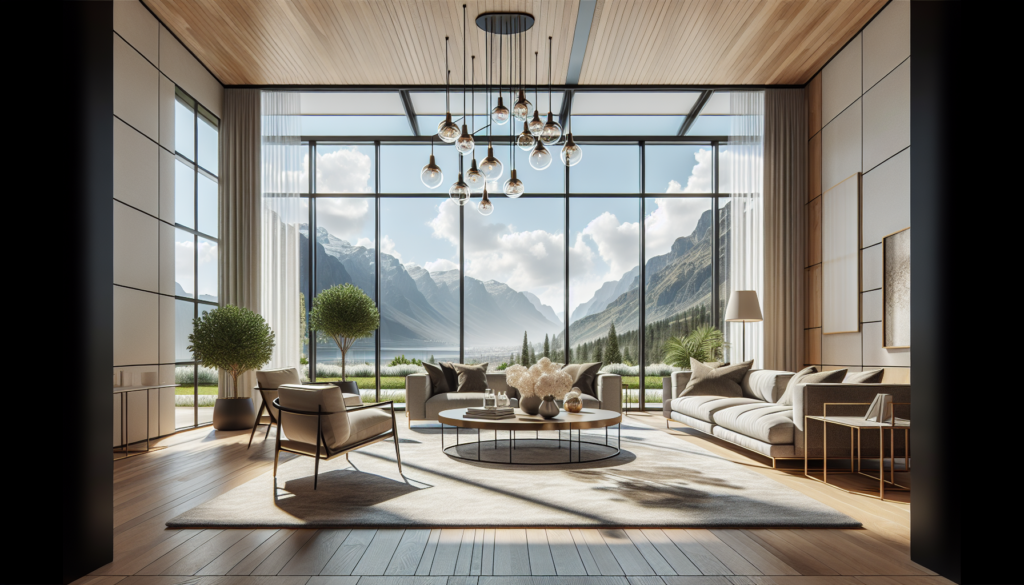
Selling a luxury home in Denver is a fundamentally different experience from selling a standard property. The buyer pool is smaller, expectations are higher, and the marketing must be exceptional. But when executed strategically, selling a high-end Denver home can be remarkably rewarding—both financially and in terms of timeline. The key is approaching every aspect of the sale with the sophistication and precision that luxury buyers expect.
As a luxury real estate specialist with LIV Sotheby’s International Realty, I’ve guided sellers through dozens of successful luxury transactions across Cherry Hills Village, Cherry Creek, Hilltop, Greenwood Village, and Denver’s most prestigious addresses. Here’s my comprehensive guide to staging, pricing, and marketing your luxury home for maximum impact.
Professional Staging: Creating an Irresistible First Impression
In the luxury market, staging isn’t optional—it’s essential. Even beautifully furnished homes benefit from professional staging consultation. The goal is to create an aspirational lifestyle experience that helps buyers emotionally connect with the property.
Why Staging Matters More in Luxury
Luxury buyers are purchasing a lifestyle, not just a house. They need to envision themselves living their best life in your home. Professional staging creates that vision by:
- Highlighting architectural features and premium finishes
- Creating optimal flow and spatial perception
- Establishing a cohesive aesthetic that photographs beautifully
- Neutralizing overly personal or polarizing design choices
- Emphasizing the home’s best features while minimizing weaknesses
Staging Best Practices for Denver Luxury Homes
Embrace the indoor-outdoor connection. Denver luxury buyers expect seamless transitions between indoor and outdoor spaces. Stage patios, decks, and outdoor living areas with the same attention you give interior rooms. Set an outdoor dining table, arrange comfortable seating around fire features, and ensure landscaping is immaculate.
Showcase Colorado lifestyle. Subtle nods to the Colorado lifestyle resonate with buyers—think curated coffee table books featuring mountain photography, tasteful artwork with natural themes, and ski or cycling gear artfully placed in a mudroom. Don’t overdo it, but a touch of mountain-meets-modern sophistication works wonders.
Declutter ruthlessly. Luxury buyers expect clean lines and intentional spaces. Remove family photos, excessive decorative items, and anything that makes rooms feel smaller. In luxury, less is almost always more.
Address every room. In a standard home sale, you can focus staging on key areas. In luxury, every room matters—including the laundry room, mudroom, home gym, and wine cellar. Buyers at this level notice details everywhere.
Don’t forget the senses. Luxury staging engages all the senses. Ensure the home smells clean and fresh (not artificially scented), the temperature is comfortable, lighting is warm and inviting, and soft background music plays during showings.
Investment and ROI
Professional staging for a luxury Denver home typically costs $5,000 to $25,000+ depending on the size of the home and extent of staging needed. This investment consistently delivers returns of 5-15% in sale price and significantly reduces days on market. For a $3 million home, even a modest 3% improvement represents $90,000—a massive return on a staging investment.
Photography and Visual Marketing: Your Home’s Digital First Impression
In today’s market, the vast majority of luxury home searches begin online. Your listing photos and video content are, for most buyers, the first and most critical touchpoint with your property. Subpar visuals will cost you showings, offers, and ultimately dollars.
Professional Photography
This is non-negotiable. Hire a photographer who specializes in luxury real estate and architectural photography—not someone who shoots weddings on weekends. The difference is dramatic. Professional luxury photographers understand:
- Optimal time of day for exterior shots (golden hour lighting)
- Advanced HDR and flash techniques for interiors
- Composition that emphasizes space, flow, and architectural detail
- Post-processing that enhances without misrepresenting
Aerial and Drone Photography
For properties with significant land, mountain views, or impressive settings, drone photography and videography are essential. Aerial shots showcase lot size, proximity to amenities, neighborhood context, and views that ground-level photos simply can’t capture. In neighborhoods like Cherry Hills Village, where lot size is a major selling point, drone footage is particularly impactful.
Video Tours and Cinematic Walkthroughs
A professionally produced cinematic video tour elevates your listing above the competition. These aren’t iPhone walkthroughs—they’re carefully scripted, professionally shot productions with music, smooth camera movement, and editing that tells your home’s story. For out-of-state buyers (an increasingly important segment of Denver’s luxury market), video tours are often the deciding factor in whether to schedule an in-person visit.
3D Virtual Tours
Matterport or similar 3D virtual tour technology allows buyers to explore your home remotely at their own pace. This technology has become standard in luxury marketing and is particularly valuable for attracting out-of-state buyers who may not be able to visit in person immediately.
Pricing Strategy: The Most Critical Decision
Pricing a luxury home correctly is both an art and a science. It’s also the single most important decision you’ll make in the selling process. Overpricing a luxury home is the most costly mistake a seller can make—it leads to extended market time, price reductions, and ultimately a lower sale price than if the home had been priced correctly from the start.
The Dangers of Overpricing
In the luxury market, overpricing triggers a destructive cycle:
- The property sits on the market while correctly priced homes sell
- Agents and buyers begin to wonder “what’s wrong with it?”
- The listing becomes “stale” and loses the excitement of a new listing
- Price reductions signal desperation and invite lowball offers
- The home ultimately sells for less than it would have at the correct initial price
Data consistently shows that homes priced within 3-5% of market value sell faster and for closer to asking price than homes that start high and reduce.
How to Determine the Right Price
Luxury home pricing requires a sophisticated approach:
Comparative market analysis (CMA): Your agent should prepare a detailed CMA examining recent sales, active listings, and expired/withdrawn listings in your area. In luxury, finding true comparables can be challenging since each property is unique.
Price per square foot analysis: While not the only metric, price per square foot provides a useful benchmark. In Denver’s luxury market, ranges vary significantly by neighborhood—from $350/sq ft in some areas of Greenwood Village to $700+/sq ft in prime Cherry Creek. Understanding where your home falls within these ranges is critical.
Unique feature valuation: Luxury homes often have features that don’t translate directly into comparable sales—mountain views, exceptional lots, custom architecture, resort-style outdoor spaces. An experienced luxury agent knows how to value these features appropriately.
Market timing: Denver’s luxury market has seasonal patterns. Spring (March-May) typically sees the strongest buyer activity, followed by early fall (September-October). Summer and winter tend to be slower, though serious luxury buyers are active year-round. Check my 2026 market report for current conditions.
Marketing Channels: Reaching the Right Buyers
Marketing a luxury home requires a multi-channel approach that goes far beyond listing it on the MLS and waiting for showings.
Sotheby’s International Realty Global Network
As a LIV Sotheby’s International Realty agent, I leverage the Sotheby’s global marketing platform—one of the most powerful luxury real estate networks in the world. Your listing gains exposure to qualified buyers across the globe through sothebysrealty.com, which attracts millions of high-net-worth visitors annually.
Targeted Digital Advertising
Luxury home marketing requires precision-targeted digital campaigns reaching high-net-worth individuals in key feeder markets. This includes:
- Facebook and Instagram campaigns targeting affluent demographics in California, Texas, New York, and other source markets
- Google Ads targeting luxury real estate search terms specific to Denver
- Retargeting campaigns that keep your property in front of interested buyers
- LinkedIn advertising targeting C-suite executives and tech professionals
Print and Publication Marketing
Despite the digital age, print marketing retains significant value in the luxury segment. High-quality property brochures, features in luxury lifestyle publications, and placement in Sotheby’s International Realty print materials reach buyers who value tactile, curated marketing experiences.
Broker Networks and Private Showings
Many luxury transactions originate through agent-to-agent networking. I actively market listings to my network of luxury agents both locally and nationally, host exclusive broker events, and ensure your property reaches agents whose clients are actively seeking homes like yours.
Social Media Storytelling
Instagram, in particular, has become a powerful platform for luxury real estate marketing. High-quality visual storytelling—including lifestyle-focused content, behind-the-scenes looks at the property, neighborhood spotlights, and design features—generates engagement and attracts qualified buyers.
Preparing for Showings: The Details That Matter
When a luxury buyer schedules a showing, every detail counts:
- Curb appeal: Landscaping impeccable, driveway clean, exterior lighting functional, front entry inviting
- Lighting: All lights on, window coverings open to maximize natural light and views
- Temperature: Comfortable throughout—no hot or cold spots
- Cleanliness: Professional-level clean, including windows, floors, and every bathroom
- Personal items: Removed. Buyers need to see themselves in the home, not your family.
- Pets: Out of the house during showings, with no evidence of their presence
- Information: A beautifully designed property information packet available for buyers to take
Negotiation and Closing: Protecting Your Investment
When offers arrive, the negotiation phase requires experience and strategy:
Evaluate the complete offer, not just the price. Contingencies, financing type, earnest money, closing timeline, and buyer qualifications all matter. A cash offer at 95% of asking may be stronger than a financed offer at 100%.
Maintain composure. Luxury negotiations can be prolonged and involve multiple rounds of counteroffers. An experienced agent will manage the process strategically, keeping emotions out of what should be a business transaction.
Be prepared for thorough inspections. Luxury buyers conduct comprehensive inspections. Having pre-listing inspection reports available can streamline negotiations and prevent surprises that derail transactions.
Partner with a Luxury Marketing Expert
Selling a luxury home demands more than listing it and hoping for the best. It requires a strategic, multi-faceted approach that positions your property to attract qualified buyers, generate competitive interest, and achieve the premium price your home deserves. From staging and photography to pricing and global marketing, every element must work together smoothly.
With the resources of LIV Sotheby’s International Realty and my deep expertise in Denver’s luxury market, I deliver the comprehensive marketing strategy your home deserves.
Ready to explore Denver’s luxury market? Contact Sara Garza at [email protected] or visit saragarza.com/contact.
Frequently Asked Questions
How long does it typically take to sell a luxury home in Denver?
In my experience, well-priced and properly staged luxury homes in Denver typically sell within 45-90 days. However, I’ve seen exceptional properties in prime neighborhoods like Cherry Hills Village move in under 30 days when the marketing strategy is dialed in perfectly.
Is staging really necessary for a luxury home?
Absolutely. Even the most beautiful homes benefit from professional staging. I work with Denver’s top luxury stagers who understand how to highlight architectural details and create an emotional connection with high-net-worth buyers. It’s an investment that consistently delivers returns.
What marketing strategies work best for luxury homes in Denver?
I leverage Sotheby’s International Realty’s global network, professional photography and videography, targeted digital campaigns to qualified buyers, and exclusive preview events. The luxury market demands discretion and reach—my approach delivers both.
Should I make renovations before selling my luxury home?
It depends on the property. I always do a thorough walkthrough and advise on high-impact updates that will maximize your return. Sometimes a kitchen refresh or landscaping upgrade can add significant value, while other times the home is best sold as-is to a buyer with their own vision.

Sara Garza
Global Real Estate Advisor · LIV Sotheby’s International Realty
Two decades in luxury real estate, a deliberately limited client list, and a reputation built on patience, candor, and care. More about Sara
Wondering What This Means for Your Move?
Sara reads this market every day. Ask her directly — no pressure, just a straight answer.
Ask Sara(720) 499-4937