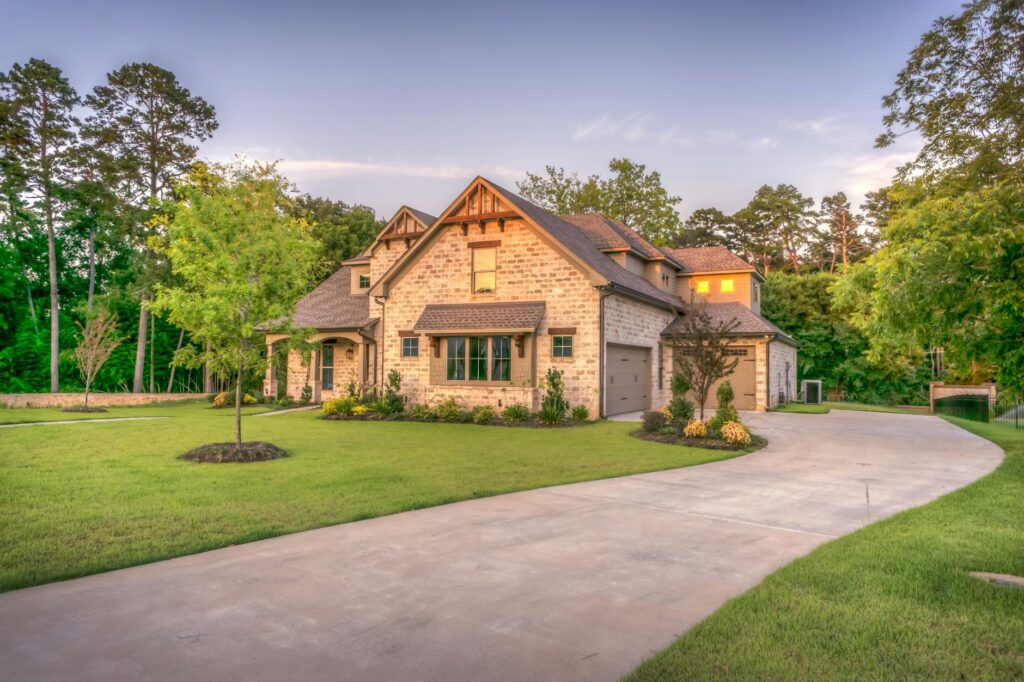
This is one of the comparisons I have the most in depth conversations about with families relocating to South Denver. Both communities are among the most popular destinations in the metro for good reason, and on the surface they look similar: good schools, safe streets, easy freeway access, and a range of home sizes. The differences show up in the details — and the details matter if you are going to live somewhere for a decade or more.
I have worked with buyers in both communities across two decades in Denver luxury real estate, and I want to give you the honest version of this comparison — not the one that reads like a chamber of commerce brochure.
Where Each Community Is Located
Centennial is a city in Arapahoe County, incorporated in 2001 and sitting just south of Denver proper along the I-25 corridor. It borders Greenwood Village to the north and Parker to the east, with the Denver Tech Center running along its western edge. The city encompasses several established neighborhoods, including Willow Creek, Piney Creek, Smoky Hill, and portions of the Foxridge and Trails areas.
Highlands Ranch is an unincorporated master-planned community in Douglas County, developed beginning in the early 1980s and now home to roughly 100,000 residents. It sits south of Centennial along C-470 and Santa Fe Drive, with Castle Rock to the south. Most of Highlands Ranch was built in distinct phases, giving different sections of the community distinct architectural characters and price points.
The practical commute difference: Centennial residents heading to the Tech Center or downtown Denver generally have a shorter drive. Highlands Ranch residents heading to Castle Rock, the southwest suburbs, or the mountains have the advantage. If your employer is in Lone Tree or Greenwood Village, either works well.
Schools: The Most Common Deciding Factor
Schools drive more South Denver relocation decisions than any other single factor, and here the two communities diverge in a meaningful way.
Centennial is served primarily by Cherry Creek School District, which is one of the most highly rated districts in Colorado and consistently earns national recognition. Cherry Creek schools cover most of Centennial, including Cherry Creek High School, which has a long history of strong academics and athletic programs. Parts of eastern Centennial fall within the Cherry Creek district’s boundaries while a small number of neighborhoods are zoned to Arapahoe County districts.
Highlands Ranch falls within Douglas County School District, Colorado’s third largest district and consistently among the among the highest ranked in the state. Highlands Ranch feeds into several Douglas County high schools — Highlands Ranch High School, Mountain Vista High School, ThunderRidge, and Rock Canyon — all of which carry strong reputations. Douglas County is known for its school choice options and competitive test scores.
Both districts are genuinely excellent. Buyers who have strong familiarity with Cherry Creek’s specific programs tend to lean toward Centennial; buyers who prioritize Douglas County’s school choice model and newer facilities often prefer Highlands Ranch. Neither choice involves a meaningful academic downgrade.
Home Styles and Price Points
The housing stock in the two communities reflects their different development histories.
Centennial has a mix of older and newer construction, with a significant portion of homes built between the 1970s and 1990s. That means mature landscaping, larger lots in many areas, and established neighborhoods where the trees have had decades to grow. You will also find newer construction in pockets, but the overall character leans established rather than brand new. Homes at the entry level start in the mid-$400,000s; larger homes in sought after areas like Willow Creek or Piney Creek range from the $600,000s into the $900,000s and above.
Highlands Ranch has newer construction overall, with a large portion of the housing stock built in the 1990s and 2000s, and newer phases continuing to add inventory on the community’s southern and western edges. The master-planned character means more consistent architecture, common areas maintained by the HOA, and a generally polished aesthetic. Homes at the entry level start similarly to Centennial; the upper end of the market extends well into the $1 million-plus range in areas like BackCountry, the gated luxury enclave that sits within Highlands Ranch and appeals to buyers who want amenities at the concierge level alongside the suburban lifestyle.
Price per square foot across both communities tends to be comparable for similar product, which means the decision usually comes down to lifestyle priorities rather than budget optimization.
Amenities and Lifestyle
Centennial benefits from its proximity to the Cherry Creek State Park, one of the most actively used recreational areas in the metro. The Centennial Center Park provides community gathering space, and the city’s street grid and established commercial corridors along Arapahoe Road and Dry Creek Road give residents easy access to retail and restaurants. The Tech Center’s office parks and amenities are essentially an extension of Centennial’s commercial life — a significant advantage for professionals who work in that corridor.
Highlands Ranch is defined by its recreation centers, which are among the most comprehensive in the metro area. The Highlands Ranch Community Association operates four recreation centers available to all residents — Eastridge, Westridge, Northridge, and Southridge — offering pools, fitness facilities, courts, and programming that rivals private club memberships. The community’s trail system connects neighborhoods across the development, and the Backcountry Wilderness Area on the south side provides open space and hiking. For families with children who are heavily involved in youth sports and activities, the depth of programming in Highlands Ranch is genuinely difficult to match.
Commute and Access
Both communities have solid freeway access, but the specifics matter depending on where you work.
Centennial sits at the intersection of I-25 and I-225, with the light rail’s E and F lines running through the Tech Center corridor. Residents with downtown commutes can park at one of several Tech Center light rail stations and ride in. The proximity to I-25 makes Centennial one of the more well served by transit of the South Denver suburbs.
Highlands Ranch connects primarily via C-470 to I-25, Santa Fe Drive, or University Boulevard heading north. There is no direct light rail service into Highlands Ranch, which means most residents commute by car. The C-470 corridor connects well to the southwest suburbs and the mountains, making Highlands Ranch a good fit for families who ski regularly or have ties to communities in that direction.
The HOA Question
Both communities have homeowners associations, but the structure differs. Centennial’s individual neighborhoods have HOAs with varying levels of restriction — some are quite minimal, others more comprehensive. Highlands Ranch’s master HOA through the Highlands Ranch Community Association operates at the community level and funds the recreation centers through annual dues, which run in the $200-per year range per household. Individual subdivision HOAs exist on top of that. Buyers who have strong preferences about HOA governance should review the specific community documents for any home they consider in either area.
The Sara Garza Take: Who Each Community Is Right For
After many conversations with relocating families about this exact decision, here is how I typically summarize it:
Centennial tends to be the right fit if you want a shorter commute to the Tech Center or downtown, value the Cherry Creek School District specifically, prefer established neighborhoods with mature landscaping and more lot variety, or want a slightly more urban feel without leaving the suburbs. The proximity to Greenwood Village and Cherry Creek also means you are close to some of the best dining and retail in South Denver.
Highlands Ranch tends to be the right fit if you want newer construction with consistency maintained by the HOA, the Douglas County school choice environment, the recreation center system, a strong sense of master-planned community, or access to the BackCountry enclave at the luxury end. Families who are heavily activity oriented — youth sports, fitness, hiking — often find the depth of programming in Highlands Ranch is worth the slightly longer commute north.
Neither is objectively better. The right answer depends on what your family actually prioritizes in daily life.
If you are working through this decision and want to talk through specific neighborhoods, school boundaries, or current inventory in either community, I am glad to help. Reach out through my contact page or search current listings in Centennial and Highlands Ranch directly.
Related Articles
- Cherry Hills Village vs. Greenwood Village: Which Is Right for You?
- Relocating to South Denver: A Guide for Families Moving from Out of State
- The Best Schools Near Denver’s Luxury Neighborhoods
- How to Choose a Real Estate Agent in Denver

Sara Garza
Global Real Estate Advisor · LIV Sotheby’s International Realty
Two decades in luxury real estate, a deliberately limited client list, and a reputation built on patience, candor, and care. More about Sara
Wondering What This Means for Your Move?
Sara reads this market every day. Ask her directly — no pressure, just a straight answer.
Ask Sara(720) 499-4937