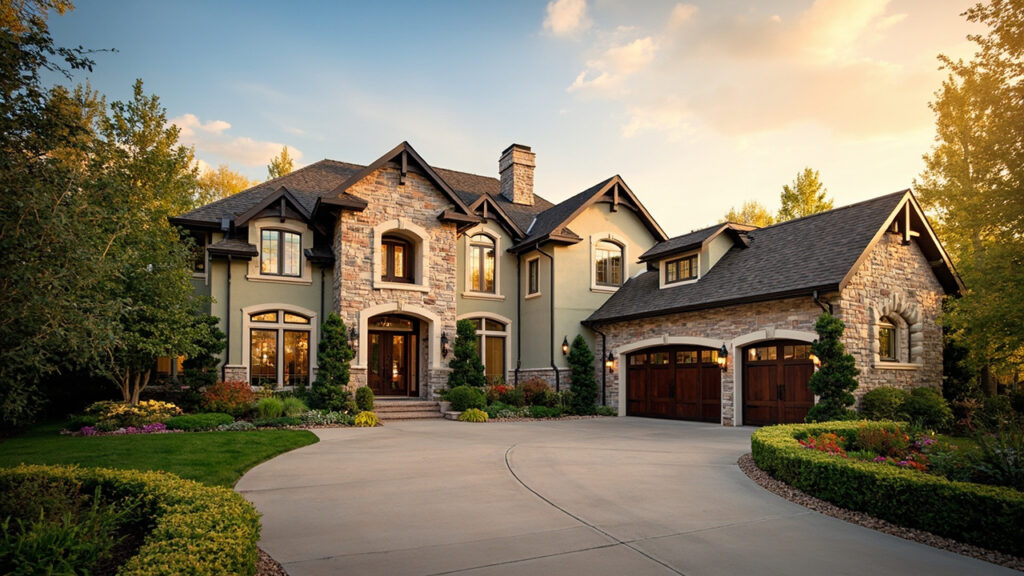
What should luxury home sellers in Denver know about staging in 2026?
Luxury staging in Denver’s 2026 market is about constructing an emotional narrative that helps high-net-worth buyers see themselves in the home — removing friction, creating atmosphere, and using properly scaled furniture. Staged homes in Cherry Hills Village, Greenwood Village, and Cherry Creek consistently sell faster and at stronger prices. A full staging engagement typically runs $5,000–$15,000 depending on square footage and whether the home is vacant or occupied.
Staging a Luxury Home Is Not Decluttering — It Is Storytelling
When sellers in Cherry Hills Village or Greenwood Village ask me about staging, they often expect a conversation about removing personal photos and clearing countertops. Those things matter, but they are the floor, not the ceiling. At the luxury level, staging is about constructing an emotional experience that helps a high-net-worth buyer see themselves living a particular kind of life before they ever evaluate square footage or price per foot.
I have spent two decades in Denver luxury real estate watching staged and unstaged listings perform side by side. The difference is not subtle. A properly staged home in Cherry Creek or Cherry Hills Village sells faster and for more money — not because buyers are fooled by furniture, but because staging removes friction. It gives a serious buyer permission to fall in love.
What High-Net-Worth Buyers Actually Experience in a Showing
Buyers in the $1.5 million to $5 million range have typically seen a lot of homes. They have toured properties in multiple cities, worked with multiple agents, and developed strong instincts about what “right” feels like the moment they walk through a door. What stops them in their tracks is not a feature list — it is atmosphere.
Scale is the first thing they feel, even if they cannot name it. Furniture that is too small for a room makes a large home feel awkward and uncertain. Furniture that is properly proportioned — a dining table that commands the room, sofas that anchor the living space without crowding it — communicates that the home has been understood and respected. That feeling transfers to the buyer. They begin to feel that the home respects them, too.
Light is the second. Denver’s natural light is one of the market’s most underused assets. A luxury stager who understands how morning light moves through a south-facing kitchen or how afternoon sun falls across a primary suite’s hardwood floors will build a showing schedule and a furniture plan around those moments. Buyers who see a home at its most luminous carry that memory through the entire decision process.
The Specific Mistakes I See in Denver Luxury Listings
Over-personalizing is the most common. A seller who has built a beautiful life in their home naturally fills it with their story — family portraits, travel souvenirs, a library that reflects decades of reading. None of that communicates value to a buyer who is imagining their own story in that space. The goal of staging is to depersonalize without sterilizing. The home should feel warm and lived-in, but the story it tells should be aspirational and open-ended rather than specific to the current owners.
Under-investing in art is the second mistake. At the luxury tier, buyers notice what is on the walls. Generic art from a home goods store reads as temporary and signals that the seller did not take the presentation seriously. A stager with access to quality art rentals or partnerships with local Denver galleries can elevate a room from pleasant to memorable. It is one of the highest-return investments a seller can make in the presentation of a high-end property.
Ignoring the outdoor spaces is the third. Cherry Hills Village homes sit on lots that are among the most generous in the Denver metro. Cherry Creek townhomes often have rooftop terraces or private patios that are genuinely part of the lifestyle proposition. Leaving those spaces unfinished — a patio with a single plastic chair, a backyard with no seating or focal point — is a missed opportunity that costs sellers real money. Outdoor staging, done well, can add perceived value that exceeds its cost by a significant margin.
How to Choose a Staging Partner in Denver
Not all stagers operate at the luxury level, and the difference matters. A stager who primarily works in the $400,000 to $700,000 range is accustomed to a different buyer psychology and a different furniture scale. For a home priced at $2 million or above, you want a stager whose portfolio shows experience with the specific neighborhoods and price points you are targeting.
Ask to see before-and-after results from comparable properties. Look at the furniture scale, the art choices, and the attention to detail in secondary spaces like home offices, guest suites, and mudrooms. A stager who treats every room as part of the narrative rather than just the primary living spaces will serve you better in a market where buyers are comparing your home to other luxury properties with equally strong presentations.
I work closely with a small number of staging partners whose aesthetic aligns with what Denver luxury buyers respond to. If you are preparing to list, I am happy to make an introduction and walk through the property together to identify where staging investment will generate the most return.
The Financial Case for Staging in Denver’s 2026 Market
Denver’s luxury market in 2026 has more inventory than we saw in 2021 and 2022. That means buyers have choices, and properties that are not presented at their best tend to sit. Days on market matter more than ever at the high end — a luxury listing that lingers develops a stigma that is hard to overcome, and price reductions erode both proceeds and negotiating position.
The homes that are moving quickly in Cherry Hills Village, Greenwood Village, and Cherry Creek right now are the ones where sellers made a deliberate investment in how the property looks and feels. That investment is not always large — sometimes it is editing and rearranging what is already there, sometimes it is a full furniture refresh. The right approach depends on the property and the price point. But the sellers who skip this step are consistently leaving money on the table.
If you are thinking about listing a luxury home in South Denver this year, the conversation about staging should happen before the conversation about price. What you present to the market determines how the market responds — and I have seen that principle play out enough times over two decades in this market to trust it completely.
What to Expect From the Staging Process
A full luxury staging engagement typically begins with a walkthrough consultation where the stager assesses the property and the seller’s timeline. From there, the stager prepares a proposal that outlines which rooms will be addressed, what furniture and art will be brought in, and what existing items should be removed or repositioned.
For a home in the $1.5 million to $3 million range, a full staging engagement in Denver typically runs somewhere between $5,000 and $15,000 depending on square footage, how many rooms are being fully staged, and whether outdoor spaces are included. Vacant homes cost more to stage than occupied ones because every room needs to be furnished from scratch. Occupied homes often cost less because the stager is editing and supplementing rather than building from nothing.
The timeline from consultation to photos should allow at least a week for furniture delivery and setup. Rushing the staging process produces results that look rushed — and high-end buyers notice. Plan for it properly and give your listing the best possible start.
Related Reading
- How to Sell a Luxury Home in Denver: What Most Agents Won’t Tell You
- Best Time to Sell a House in Denver, CO (2026 Guide)
- How Long Does It Take to Sell a House in Denver? (2026 Data)
- What Are Closing Costs for Sellers in Colorado?
Is staging worth it for a luxury home in Denver?
Yes. In Denver’s 2026 luxury market, staged homes consistently sell faster and for stronger prices than comparable unstaged properties. At the $1.5 million and above price point, buyers are comparing your home to other professionally presented listings, and an unstaged property tends to sit longer and invite lower offers.
How much does luxury home staging cost in Denver?
For luxury homes in the $1.5 million to $3 million range in Denver, staging typically costs between $5,000 and $15,000 depending on square footage, number of rooms, and whether the home is vacant or occupied. Vacant homes generally cost more to stage because all furniture must be brought in. Occupied homes can often be staged for less through editing and selective additions.
Should I stage outdoor spaces when selling a luxury home in Cherry Hills Village?
Yes. The large lots in Cherry Hills Village are a significant part of the lifestyle buyers are purchasing. Leaving outdoor spaces without furniture, seating, or a clear sense of purpose is a missed opportunity. Properly staged outdoor areas can meaningfully increase the perceived value of a property and help buyers connect emotionally with the lifestyle the home offers.
What is the difference between staging a luxury home and a regular home?
Luxury staging focuses on atmosphere, scale, and lifestyle narrative rather than simply making a space look clean and neutral. At the high end, buyers are purchasing a way of living, and staging communicates that the home delivers on that promise. This means properly scaled furniture, quality art, attention to light and outdoor spaces, and a level of detail that reflects the caliber of the property itself.

Sara Garza
Global Real Estate Advisor · LIV Sotheby’s International Realty
Two decades in luxury real estate, a deliberately limited client list, and a reputation built on patience, candor, and care. More about Sara
Wondering What This Means for Your Move?
Sara reads this market every day. Ask her directly — no pressure, just a straight answer.
Ask Sara(720) 499-4937