Quick Answer
What should buyers know before making an offer on a home in Englewood, Colorado in 2026?
Englewood offers a quick commute to Denver, light rail access, and pricing well below Wash Park or Cherry Creek, but housing stock skews older, so sewer scopes, foundation checks, and electrical inspections matter. Pricing varies sharply by sub neighborhood, with Olde Town commanding a premium and the condo market offering more negotiating room. Most transactions close in 25 to 35 days, and well priced homes still draw multiple offers within the first week on market.
Englewood sits just south of Denver, and for buyers priced out of Wash Park, Cherry Creek, or Platt Park, it’s becoming the obvious answer. You still get a quick commute into the city, walkable stretches like Olde Town, and a housing stock that ranges from bungalows built after the war on quiet, tree lined blocks to fully remodeled infill close to everything. The trade off is that inventory moves fast and pricing varies block by block, so buyers who show up prepared usually do better than those who don’t.
If you’re buying a home in Englewood in 2026, here’s what to actually know before you write an offer.
Why Englewood Is Getting More Attention
Englewood used to fly under the radar. Olde Town had a strong local scene, but most South Denver buyers defaulted to Wash Park or DU. That changed once median prices in those neighborhoods pushed well past what a typical buyer looking to move up can stretch to. Englewood gives you:
- Proximity to the Denver Tech Center and Cherry Creek without the Cherry Creek price tag
- Light rail access via the Englewood and Oxford stations on the E and H lines
- A real mix of architecture — 1940s bungalows, ranches from the middle of last century, and newer townhomes
- Lower property taxes than some of the bordering neighborhoods
The City of Englewood has also invested in Olde Town over the past few years, and the result is a walkable core with restaurants, breweries, and the Gothic Theatre within a few blocks of each other.
The Neighborhoods Inside Englewood
Englewood is small, but the sub areas feel different from one another.
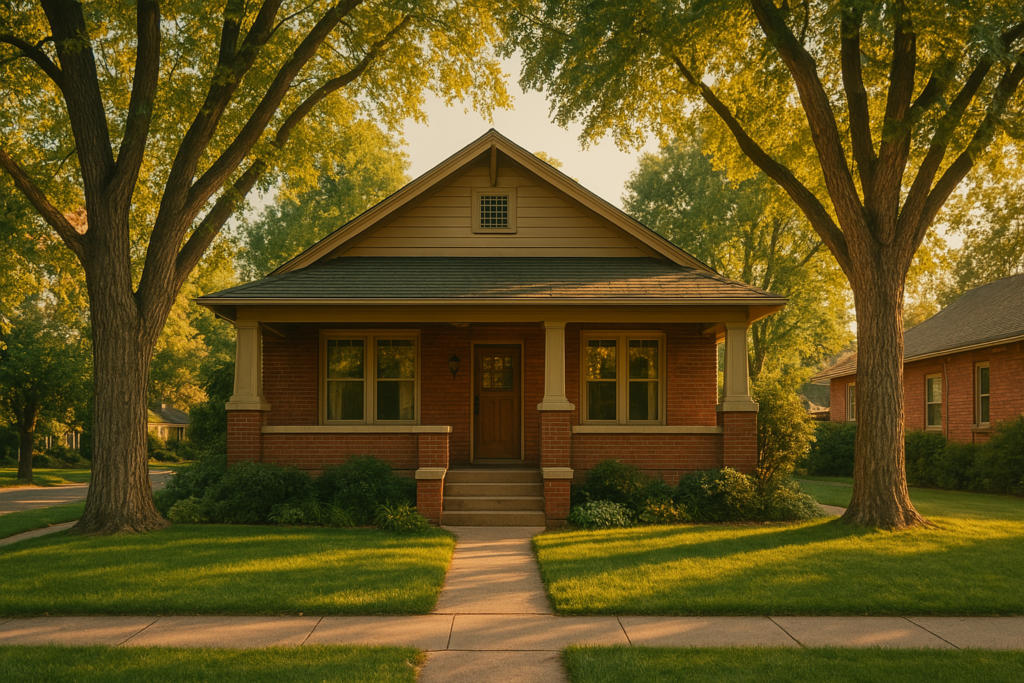
Olde Town is the historic core. Think brick bungalows, streets lined with trees, and a downtown that’s actually walkable. You’ll pay for the location, but inventory here tends to hold value.
South Broadway has been rebuilding for a decade. Mixed use projects sit next to older commercial buildings, and the housing stock skews toward townhomes and newer condos.
Belleview Park is on the west side, closer to the river. Larger lots, homes from the middle of last century, and a quieter feel than Olde Town.
The southwest corner near Swedish Medical Center has a lot of newer construction — townhomes, duplexes, and a handful of small subdivisions.
What Buyers Are Paying in 2026
Pricing in Englewood in 2026 depends heavily on the property type. As of recent market data:
- Older bungalows for a single family under 1,500 square feet are still finding buyers in the high $400s to mid $500s if they’ve been updated
- Move-in ready homes in the 1,500 to 2,200 square foot range are closing in the $600s to $750s
- Newer infill and townhomes are pushing past $800K, especially near Olde Town and along Broadway
- The condo market is softer — buyers have more room to negotiate, and sellers are more willing to work with them
The pattern across Englewood is the same one you’re seeing in most South Denver neighborhoods: homes in good locations that have been updated are moving quickly, while anything that needs significant work is sitting longer.
Inspection and Due Diligence Issues Specific to Englewood
Englewood’s housing stock is old enough that you can’t skip the inspection phase and expect to come out clean. A few things to watch for:
Sewer scopes matter here. Many of the homes in the older parts of the city still have original clay or concrete sewer lines, and replacement runs $5,000 to $15,000. Get a scope before you close.
Foundation movement is common in homes built after the war, especially in areas with expansive clay soil. A structural engineer letter is worth the few hundred dollars if the inspector flags any cracking.
Electrical systems and knob and tube wiring show up in some of the 1940s and 1950s bungalows. Insurance carriers are flagging these more often, so get clear answers on what you’re buying before you commit.
Lead paint disclosure is standard for homes built before 1978, and most of Englewood’s older inventory falls into that category.
The Englewood Inspection Timeline
Most transactions on single family homes in Englewood close in 25 to 35 days, but the inspection period is where deals get made or fall apart. Plan on:
- Day 1 to 3 — general inspection, sewer scope, radon test scheduled
- Day 3 to 7 — results back, negotiation on repairs or credits
- Day 7 to 10 — appraisal ordered
- Day 10 to 20 — appraisal completes, loan underwriting continues
- Day 25 to 35 — closing
If you’re buying in a competitive pocket like Olde Town, your offer might include an inspection contingency with a short window. Talk to your agent about whether that’s worth the risk on the home you want.
Financing and Lender Notes
Conventional financing works fine across Englewood. VA and FHA buyers will want to confirm the home meets standards if it’s older — some of the bungalows built after the war need repairs before VA or FHA will approve the loan.
Property taxes in Englewood run lower than in some of the surrounding areas, which helps with monthly payments. Ask your lender for a realistic total payment estimate including insurance and taxes before you finalize your offer price.
Negotiation in Englewood Right Now
Englewood is leaning slightly in the buyer’s favor compared to a year ago, but homes that are priced well are still getting multiple offers. A few things that are working in 2026:
- Inspection objection windows are tight — sellers are pushing back on extended inspection periods
- Appraisal gap coverage is less common than it was in 2021 and 2022
- Closing date flexibility is a meaningful concession
- Pre-underwritten loans are getting attention from sellers who want certainty
If you’re writing an offer on a home that’s been on the market more than 14 days, there’s usually room to negotiate. Under a week, expect competition.
What to Do Before You Start Looking
If Englewood is on your shortlist, get these in order before you tour homes:
- Pre-approval letter from a local lender who actually closes in Englewood regularly
- Clear understanding of which sub neighborhoods fit your commute and lifestyle
- A realistic number for closing costs — usually 2% to 3% of the purchase price in Colorado
- A short list of must haves versus nice to haves, especially if you’re choosing between Englewood and a slightly more expensive neighborhood
Englewood rewards buyers who do the work upfront. The inventory is there, the pricing is more approachable than the bordering South Denver neighborhoods, and the city has invested enough in its core that the area genuinely feels like a play worth holding for the long term.
The Bottom Line
Buying a home in Englewood in 2026 comes down to three things: knowing which sub neighborhood matches your priorities, getting the inspection work done before you’re emotionally committed, and writing offers that account for what’s actually happening in this market rather than the South Denver market at large.
For buyers who can’t quite stretch to Wash Park or Cherry Creek but want the same general lifestyle, Englewood is one of the better values left in South Denver.
Frequently Asked Questions
How much do I need for a down payment on a home in Englewood?
Conventional loans typically require 5% to 20% down depending on the lender and loan product. FHA buyers can put down as little as 3.5%, though older Englewood bungalows may need repairs completed before FHA or VA financing will approve the property.
Is a sewer scope really necessary for every Englewood purchase?
Yes, especially in Olde Town and the older sections near South Broadway. Original clay and concrete sewer lines are common in homes built before the 1960s, and replacement costs run $5,000 to $15,000 if a scope reveals a problem after closing.
How long does it take to close on a home in Englewood?
Most single family transactions close in 25 to 35 days from an accepted offer, with the inspection period concentrated in the first week and the appraisal and underwriting process running through the remaining weeks.
Which Englewood sub neighborhood holds value best?
Olde Town has historically held value well because of its walkability and limited inventory. Belleview Park and the areas near Swedish Medical Center have shown steady appreciation as newer construction fills in around older housing stock.

Sara Garza
Global Real Estate Advisor · LIV Sotheby’s International Realty
Two decades in luxury real estate, a deliberately limited client list, and a reputation built on patience, candor, and care. More about Sara
Wondering What This Means for Your Move?
Sara reads this market every day. Ask her directly — no pressure, just a straight answer.
Ask Sara(720) 499-4937